
The Camel
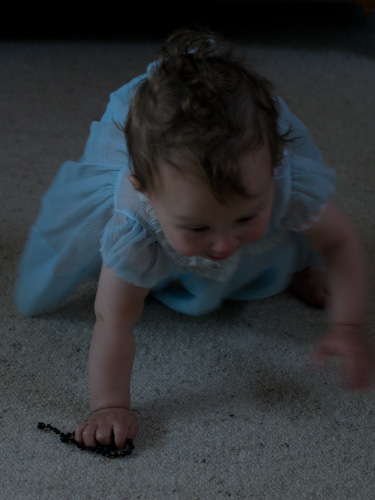
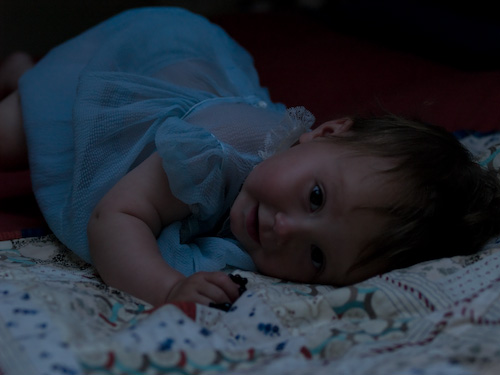
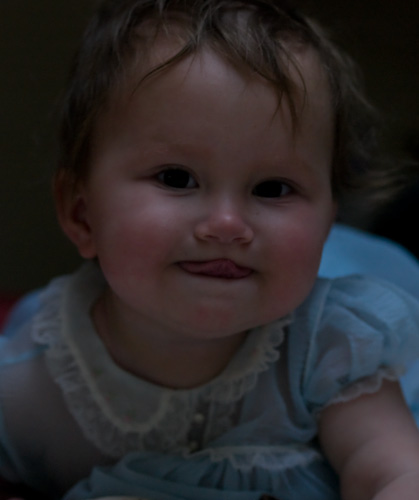
It’s quiet here because I am having a deep soak up at home with my family and friends and the golden perfection of August in the islands. Ada has toddled on the docks to peer at anemones and chitons and limpets (Mama had to restrain her from stepping right down into the sea, fearless, trusting tot); gorged on blueberries and mulberries in a friend’s garden; been sized up by newly caught mustangs; eaten pie at the County Fair; signed “milk” to me while watching a runty but enterprising piglet suckle one teat after the next as his brothers and sisters slept in an irresistible wriggly heap; dozed on long walks with her dad and grandfather; played the piano six exuberant times a day with both hands and her left foot; watched Mama and Granny pull thistles in the meadow; learned to say “oof” while pointing at a picture of a dog; and not least, but at last, has grown two comically crooked teeth. (Note to self: Stop buying so much wool so you can sock away the necessary funds for braces.)
To give you a midweek lift, I offer this edifying school report composed by my great-great-uncle Samuel Cauldwell in 1871, when he was nine years old:
The Camel.
To write anything about a Camel is very hard because he has such a long crooked neck. And he also has two humps except where he only has one, and they are to hang on by when you fall off. He has no stummick but only a pail of water inside of him, put so he can help himself easy. They fill it at the pump before he starts. His hair is bright red and blue and green; for Camel’s hair shawls have to be made of it. The Camel is very much like the monkey only he is made different. There is no more about the Camel.
(Ada has not yet met the resident island camel, so sadly I can’t close with an apt photo. Camels, like horses, are Extremely Large and probably therefore Just a Tad Bit Worrisome. Goats and sheep and pigs and calves are a better scale at the moment, but we’re working on the horses.)